
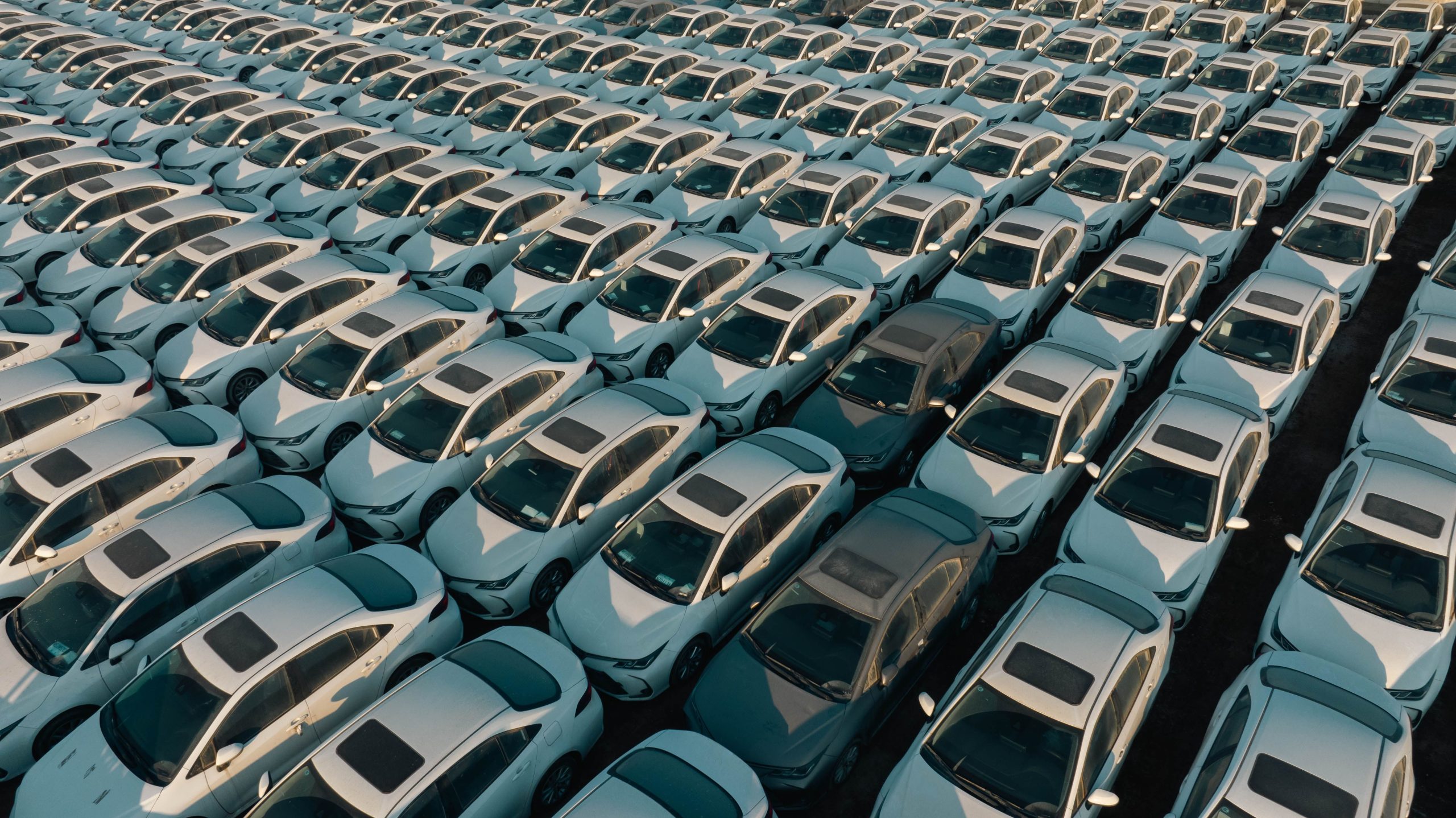
Germany’s car industry began 2026 with a familiar problem: vehicles were still being sold, but the money earned from each sale was under growing pressure. Weak demand in China, uncertainty in the United States and the high cost of shifting toward electric vehicles have created one of the toughest financial periods the industry has faced in years.
The warning signs appeared early. Audi reported that global deliveries fell by around three percent in 2025, with China and the United States among the most difficult markets.
The result reflected a wider challenge facing German premium brands: strong engineering and brand recognition no longer guarantee growth in the world’s largest car markets.
China has become the biggest concern. German manufacturers once enjoyed a strong position there, but local companies now offer competitive electric vehicles at lower prices and with faster software development.
Chinese brands are also expanding inside Germany. BYD said it wanted to sell at least 50,000 vehicles in Germany during 2026, more than double its previous annual registrations.
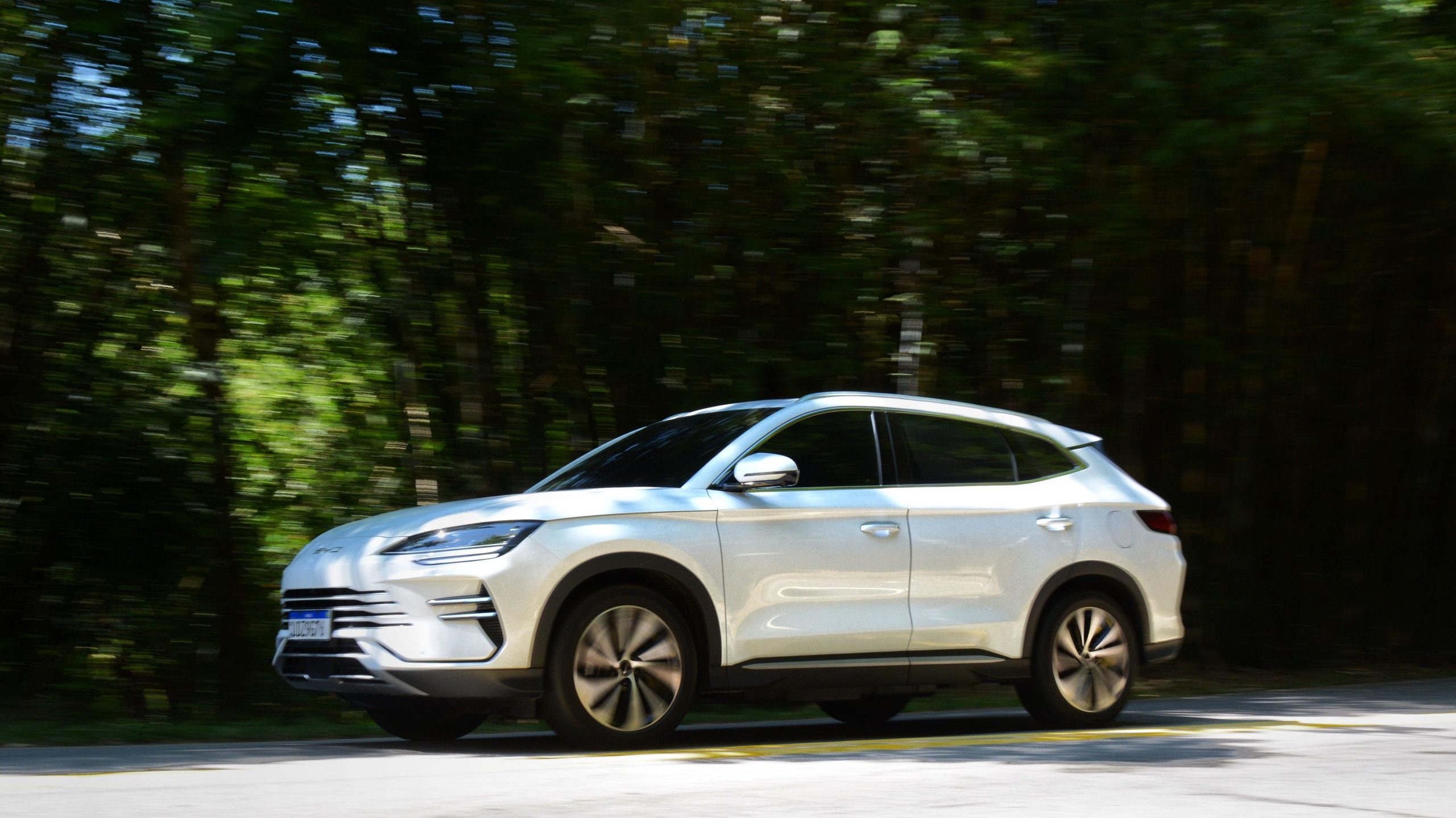
That competition is changing the financial calculation for Volkswagen, BMW and Mercedes-Benz. Lower prices may protect market share, but they also reduce profit margins. Higher spending on batteries, software and new factories adds another burden.
Carmakers must invest heavily in future technology while continuing to support traditional combustion-engine models that still generate much of their cash.
Trade policy adds more uncertainty. In January, the European Union and China moved toward minimum-price arrangements for Chinese electric cars, following a long dispute over subsidies and import duties.
The aim was to protect European manufacturers without completely closing the market.
For German companies, however, the issue is complicated. Several produce vehicles in China and export them to Europe, meaning measures aimed at Chinese brands can also affect German groups. At the same time, any retaliation from Beijing could hurt sales or production in a market that remains financially important.
The United States presents a different risk. Tariffs can quickly add thousands of euros to the cost of an imported vehicle. German manufacturers have factories in the US, but many models and components still cross borders.
BMW’s first-quarter results showed the pressure clearly: the company reported a sharp fall in operating profit at the start of 2026, while hoping for a faster trade agreement.
Volkswagen also started the year on weaker ground. The group’s deliveries fell in China and North America, even as European demand performed better.
Electric-vehicle sales were particularly weak in some overseas markets, showing how uneven the transition has become.
The pressure is not limited to major brands. Suppliers face an even harder financial challenge. Many invested in parts for combustion engines while also being asked to fund electric and software technology.
When carmakers cut production or demand lower prices, suppliers often absorb the shock first.
Production is also moving. German premium manufacturers have been shifting more manufacturing toward Eastern Europe, where labour and operating costs can be lower.
The move may improve group profitability, but it raises questions about jobs and investment at German plants.
For regions built around the car industry, the stakes are high. Automotive factories support thousands of jobs directly and many more through logistics, engineering, catering, maintenance and local retail. A production cut at one plant can affect an entire local economy.
There are still positive signs. Electric-vehicle registrations improved in Germany during the first quarter, and European demand has been stronger than in some overseas markets. German manufacturers also continue to spend heavily on research, battery technology and new models.
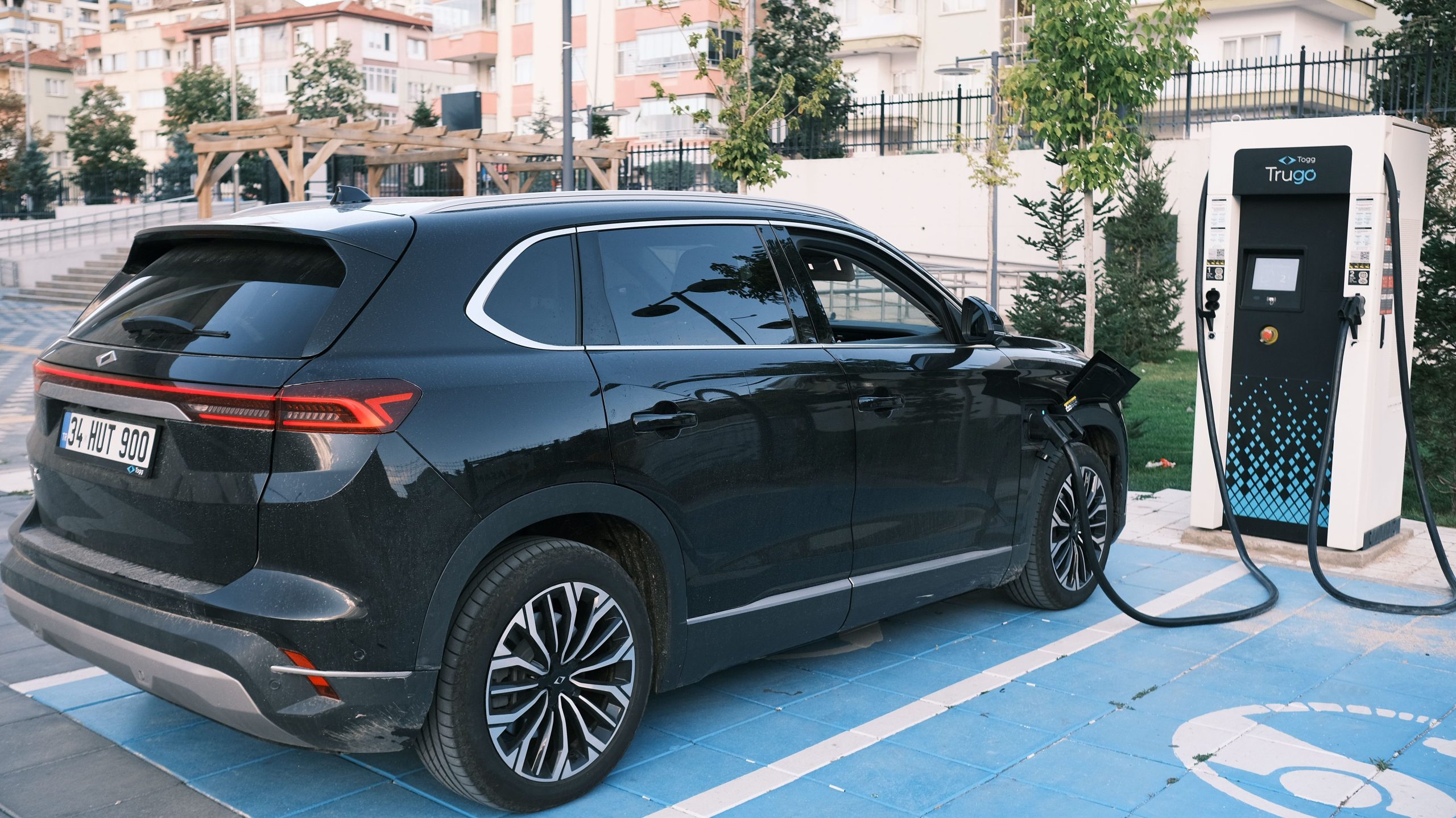
But stronger sales do not automatically mean stronger finances. Discounts, high development costs and trade barriers can reduce the profit earned from each vehicle. The industry’s challenge is therefore not simply to sell more cars. It is to protect margins while rebuilding competitiveness.
Germany’s carmakers remain large, experienced and globally connected. Yet the financial model that supported them for decades is changing.
China is no longer only a sales market; it is a powerful competitor. The United States is no longer a predictable trade destination. Europe is demanding faster electrification while consumers remain sensitive to price.
The outcome will matter far beyond company shareholders. Tax revenue, employment, exports and regional investment all depend heavily on the industry.
Germany’s auto sector is not facing one single crisis, but several pressures at once. The next few years will show whether its enormous investment can produce competitive cars—and sustainable profits.