
Let’s be completely honest about what it feels like to build personal wealth right now. Managing your own money has become a second full-time job due to changing energy dynamics across Europe, fluctuating inflation figures around 2.9%, and persistent economic shifts within Germany’s industrial sector.
If you are trying to outpace inflation by picking individual stocks on the DAX or trying to perfectly time the global bond market on your own, you already know how stressful it is. One bad quarterly earnings report or a sudden macroeconomic shift can wipe out months of hard-earned progress in a single afternoon.
You shouldn’t have to turn into a day trader just to secure your financial future.
For the modern professional in Germany, the goal isn’t just to make money; it’s to grow capital consistently without sacrificing peace of mind. That is precisely why actively managed mutual funds (Investmentfonds) remain the cornerstone of intelligent wealth accumulation. They bridge the gap between institutional-grade expertise and everyday accessibility, protecting your downside while positioning you for steady, long-term growth.
The Solo Investor Trap vs. Collective Diversification
The biggest vulnerability for retail investors managing independent portfolios is concentration risk. It is incredibly tempting to overload your depot with familiar domestic giants or chase high-profile tech stocks overseas. However, if that specific sector hits a structural headwind, your entire financial foundation takes a direct hit.
Mutual funds solve this fundamental flaw through the power of collective, diversified capital pooling. When you invest in a fund, your money is automatically spread across dozens, sometimes hundreds, of distinct assets—ranging from blue-chip equities and government bonds to resilient infrastructure projects.
- Instant Risk Mitigation: If three companies inside a 100-asset fund experience a tough quarter, the other 97 companies absorb the blow with their steady performance.
- Institutional Air Cover: Instead of relying on internet forums or evening news cycles to make your investment moves, your capital is guided by full-time fund managers and research teams who analyse market data, corporate cash flows, and geopolitical risks 24/7.
Comparison: Open-Ended Mutual Funds vs. DIY ETF Trading
With the rise of low-cost neo-brokers across Germany, many investors question whether they should choose actively managed mutual funds or simply buy passive ETFs. While ETFs are an excellent tool for basic market indexing, an active mutual fund delivers distinct advantages during volatile market phases:
| Investment Feature | Passive ETFs (Index Trackers) | Actively Managed Mutual Funds |
| Market Strategy | Strictly mimics an index (e.g., DAX or MSCI World) | Aims to outperform the market and avoid downside drops |
| Crisis Management | Forced to ride the market all the way down during a crash | Can pivot to cash, defensive bonds, or stable infrastructure |
| Asset Allocation | Rigid, automated rebalancing | Dynamic adjusting based on real-time global events |
| Target Audience | Purely hands-off, ultra-long-term savers | Investors seeking alpha, wealth protection, and expert guidance |
Passive index tracking means you are forced to own the bad along with the good. If a major sector within an index faces a long-term decline, a passive ETF has no choice but to follow it down. An active fund manager, however, has the professional mandate to cut underperforming assets early and reallocate capital into defensive sectors—like renewable energy or infrastructure assets—which historically retain their revenue stability even when broader markets stall.
Navigating the Sondervermögen Legal Safety Net
In Germany, financial security isn’t just a preference; it’s a cultural necessity. One of the most powerful benefits of investing in German-regulated mutual funds is their strict legal classification as Sondervermögen (special segregated assets).
By law, the capital you place into a mutual fund is completely separate from the corporate balance sheet of the investment management company (the KVG) and the custodian bank.
What this means for your peace of mind: In the highly unlikely event that the fund provider or your bank faces financial insolvency, your investment remains 100% secure. It cannot be touched by creditors, nor can it be absorbed by the institution. It belongs entirely to you, providing a bulletproof layer of statutory asset protection that few other international wealth vehicles can match.
Capitalize on the Recovery Without the clock-watching.
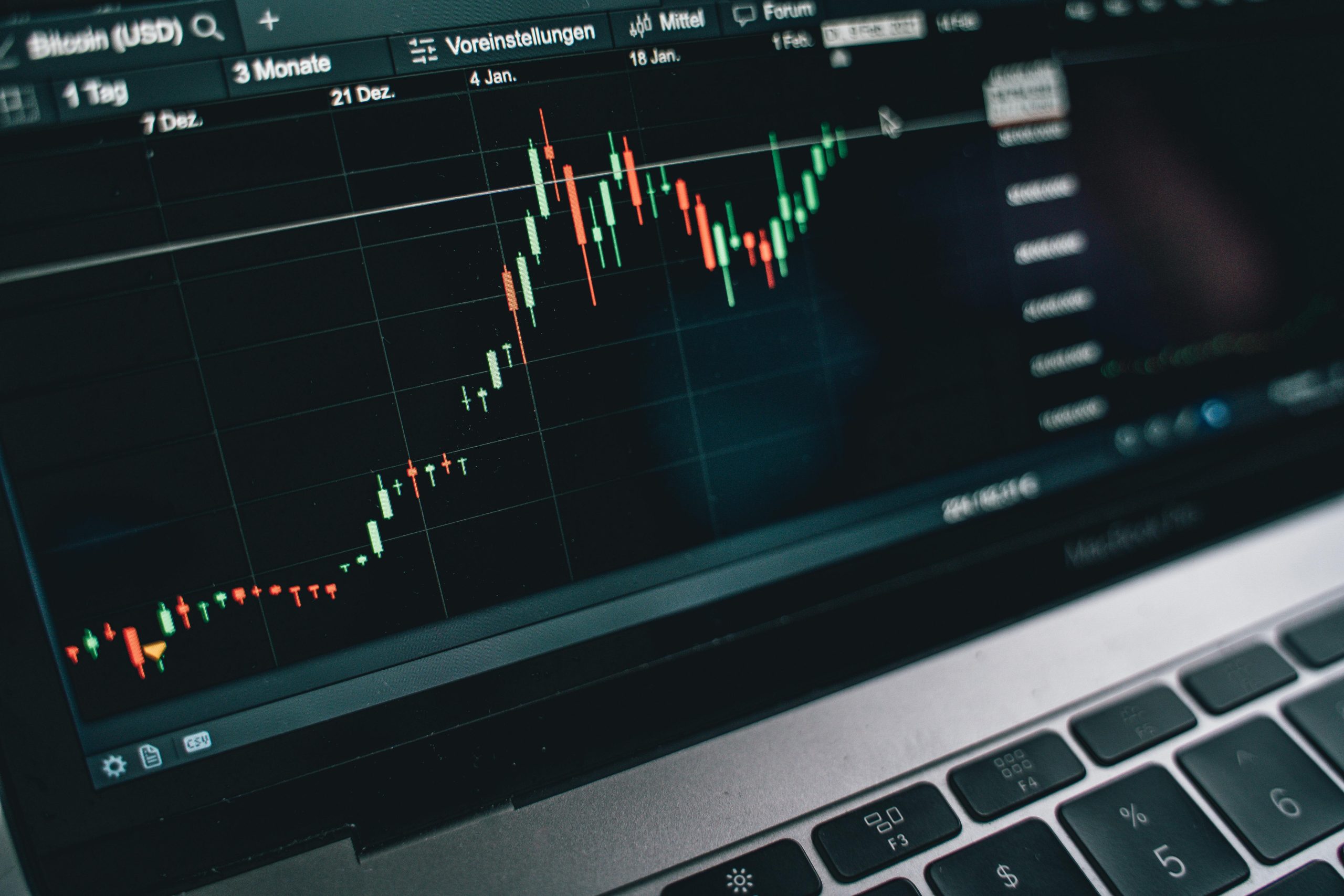
Building a robust financial legacy shouldn’t require you to spend your evenings staring at volatile candles or deciphering central bank statements. Your capital should work hard for you, leaving you free to focus on your career, your family, and your life.
By integrating institutional mutual funds into your wealth-building routine, you hand the operational burden over to seasoned professionals who know exactly how to navigate the complex economic currents of the modern market.
Stop letting inflation erode your cash reserves, and stop gambling on single-stock tickers.
Ready to build a resilient, expertly managed investment portfolio? Explore our selection of top-rated, German-regulated mutual funds today. Whether you are looking for steady dividend income, sustainable ESG-driven growth, or global capital appreciation, we have a fund strategy tailored directly to your financial timeline. Set up a free consultation or launch your customised fund savings plan today to take control of your tomorrow.