
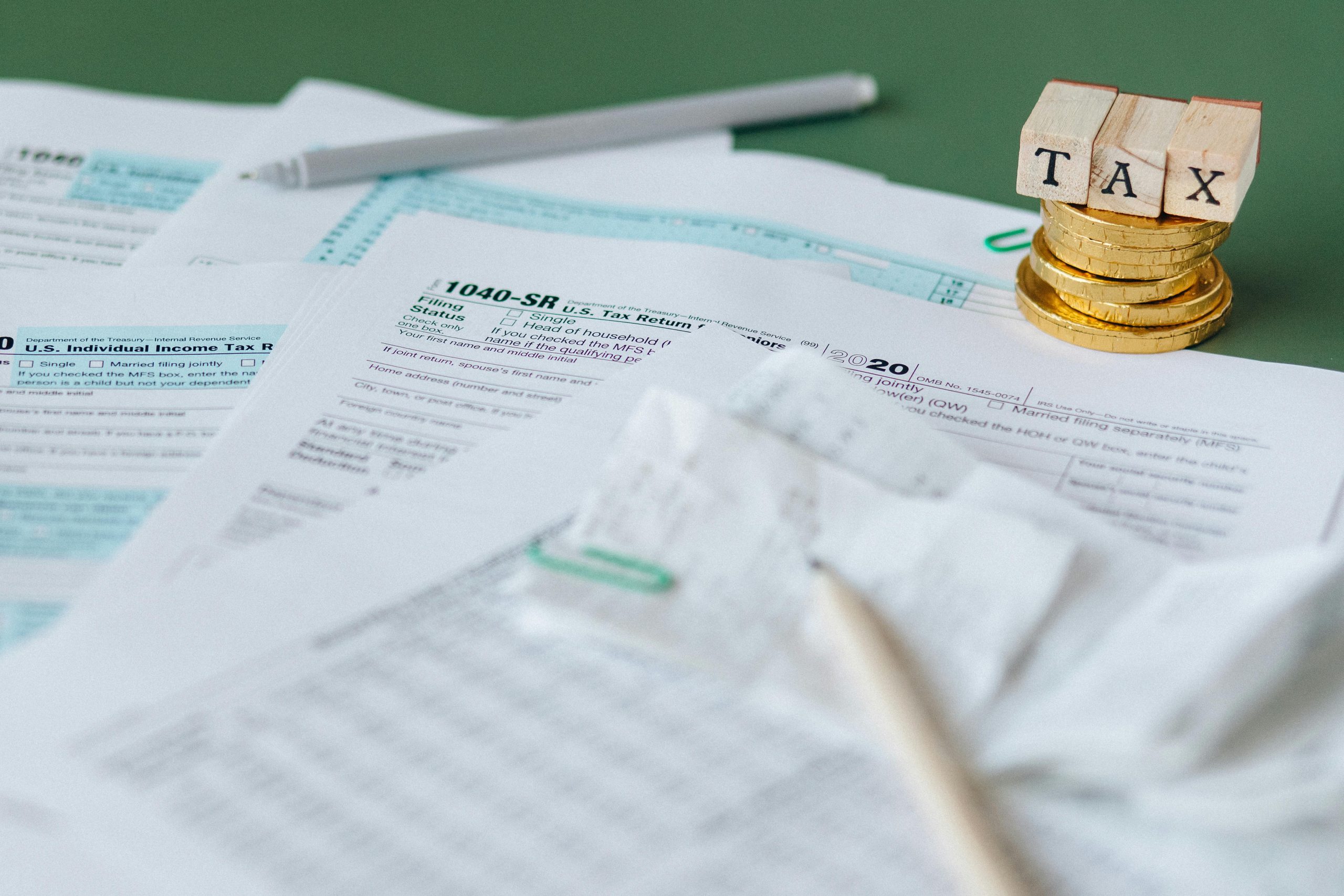
Tax season already feels overwhelming for most people. Now add a major new law, fresh deduction categories, updated tax brackets, and a brand new IRS form — and it’s easy to see why millions of Americans are asking the same question right now: what does this actually mean for me?
The One Big Beautiful Bill Act has introduced some of the most talked-about tax changes in recent years. Whether you’re a restaurant worker, a nurse pulling extra shifts, a retiree on a fixed income, or just someone trying to figure out if your withholding is still right — these updates could directly affect your 2026 tax return.
Let’s break it all down in plain English.
What Is the One Big Beautiful Bill Act?
The One Big Beautiful Bill Act is a piece of federal tax legislation that introduces new deductions, adjusts existing tax brackets for inflation, updates the standard deduction amounts, and adds a new IRS filing form. It does not replace the entire federal tax system — but it does change enough that most taxpayers will want to pay close attention.
The changes take effect for tax year 2026, which means they’ll apply to returns most people file in early 2027.
The Biggest Changes at a Glance
Before we go deep, here’s a quick summary of what’s new:
- New senior deduction of up to $6,000 (or $12,000 for qualifying couples)
- “No tax on tips” — deduct up to $25,000 of qualified tip income
- “No tax on overtime” — deduct up to $12,500 of overtime pay (or $25,000 jointly)
- Higher standard deductions across all filing statuses
- Updated federal income tax brackets adjusted for inflation
- New Schedule 1-A for claiming several of the new benefits
New Senior Deduction: Up to $6,000 (or $12,000 for Couples)
If you’re 65 or older, this one’s worth paying close attention to.
Under the new law, seniors aged 65 and above may qualify for an additional deduction of up to $6,000. If you’re married and both spouses qualify, that figure doubles to $12,000. Importantly, this is separate from the existing additional standard deduction that older taxpayers already receive — so it stacks on top.
This deduction is designed to give real financial relief to retirees and older Americans managing income from multiple sources — Social Security, pensions, investment accounts, or part-time work.
One thing to keep in mind: this benefit is subject to income limits and phaseouts. That means the higher your income, the less of the deduction you may be able to claim. If your retirement income comes from multiple sources, it’s worth doing a proper review before assuming you qualify for the full amount.
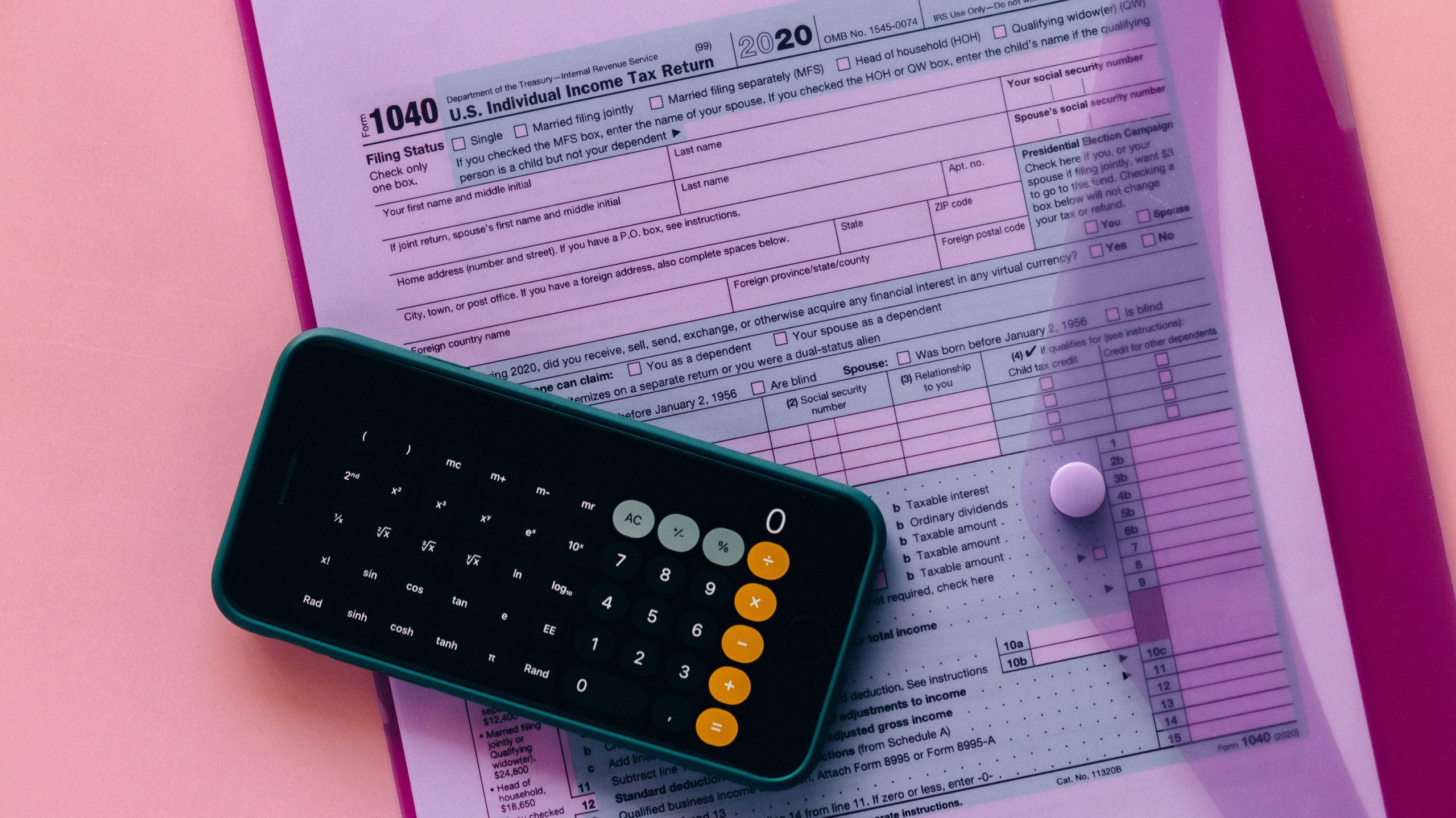
No Tax on Tips: Up to $25,000 Deduction
This provision got a lot of attention during the political debate around the bill — and for good reason. Millions of American workers earn a significant portion of their income through tips.
Under the new rules, workers receiving qualified tips may be able to deduct up to $25,000 of that tip income. That’s a meaningful reduction in taxable income for people working in:
- Restaurants and bars
- Hotels and hospitality
- Personal services (salons, spas)
- Delivery and transportation
- Entertainment and events
However, this isn’t a blanket exemption on all cash you receive. The tips must be properly reported, connected to IRS-recognised occupations, and documented through the appropriate forms — typically Form W-2, Form 1099, or Form 4137.
If you work in a tipped profession and haven’t been reporting your tips carefully, now is a very good time to start. Claiming this deduction requires a clean paper trail.
No Tax on Overtime: Up to $12,500 (or $25,000 Jointly)
For hourly workers who regularly put in overtime, this is one of the most practical changes in the entire bill.
Eligible workers may deduct up to $12,500 of qualified overtime compensation. If you’re married and filing jointly and both spouses earn overtime, the combined deduction can reach $25,000.
This applies to workers in industries like:
- Healthcare and nursing
- Manufacturing and logistics
- Retail and customer service
- Construction and skilled trades
- Public safety and emergency services
Like the tips deduction, this isn’t automatic. It applies only to qualified overtime as defined under IRS rules, is subject to income phaseouts, and requires proper reporting. If overtime pay is a regular part of your income, reviewing your pay stubs and W-2 carefully will be essential when you file.
Updated Standard Deductions for 2026
The IRS has released new inflation-adjusted standard deduction amounts for tax year 2026:
| Filing Status | Standard Deduction 2026 |
|---|---|
| Married Filing Jointly | $32,200 |
| Single / Married Filing Separately | $16,100 |
| Head of Household | $24,150 |
These are meaningful increases from previous years. For many households, a higher standard deduction means lower taxable income — even if your gross income stayed the same. Whether to itemise or take the standard deduction remains a personal calculation, but the higher threshold makes the standard deduction more attractive for most filers.
Tax Brackets Updated for Inflation
The federal income tax brackets have been adjusted for inflation for 2026. The top federal rate remains 37%, but the income thresholds for each bracket have shifted upward.
This matters because it affects how much of your income is taxed at each rate. Even without a pay raise, inflation adjustments can sometimes push you into a slightly lower effective tax rate — or keep you from crossing into a higher bracket than you otherwise would have.
The specifics depend on your filing status and total income, so checking where your income falls across the updated brackets is a useful part of year-end planning.
New IRS Form: Schedule 1-A
Perhaps the most important practical update for anyone filing a 2026 return is the introduction of Schedule 1-A.
This new form is how you’ll claim several of the new deductions, including:
- Tip income deduction
- Overtime pay deduction
- Car loan interest deduction
- Senior deduction
Schedule 1-A is filed alongside Form 1040 and includes separate sections for each benefit. It also incorporates the income phaseout calculations — so the form itself guides you through figuring out how much of each deduction you’re actually eligible to claim.
This adds a layer of complexity to filing, but it also creates a structured process. The key is having the right documentation ready — wage statements, tip records, loan documents, and income details — before you sit down to file.

What This Means for Your Withholding
Here’s something a lot of people overlook: new deductions can change whether your current withholding is still accurate.
If you’re now eligible for significant new deductions — especially as a senior, a tipped worker, or someone earning overtime — your taxable income may be lower than your employer is currently withholding for. That could mean a bigger refund, or it could mean you’ve been over-withholding all year.
Either way, it’s worth reviewing your Form W-4 with your employer to make sure your withholding reflects your actual expected tax liability for 2026.
Tips for Tax Planning in 2026
These changes reward people who plan ahead. A few practical steps worth taking:
Keep better records now. If you receive tips, log them consistently. If you work overtime, keep a copy of your pay stubs. Documentation is what turns an eligibility into an actual deduction.
Review your income against phaseout thresholds. Several of the new deductions phase out at higher income levels. Knowing where you stand can help you make smarter decisions about income timing, retirement contributions, or other deductions.
Don’t assume you qualify for the full amount. The headline numbers ($6,000 senior deduction, $25,000 tip deduction) are maximums. Your actual benefit depends on income, filing status, and how your income is structured.
Consider professional advice if your situation is complex. Multiple income sources, retirement income combined with part-time work, self-employment income alongside tipped wages — these combinations can get complicated quickly.
The Bottom Line
The 2026 tax changes under the One Big Beautiful Bill Act are genuinely significant for a wide range of Americans — from seniors managing retirement income, to restaurant workers and nurses earning overtime. The new deductions are real, but so are the rules attached to them.
The taxpayers who benefit most will be the ones who plan ahead, keep clean records, and understand where the phaseouts apply to their specific situation.
If your tax situation is straightforward, the new Schedule 1-A and updated standard deductions may simply mean a lower tax bill. If your income is more complex, working with a tax professional before filing could be well worth the cost.
Either way — now you know what’s coming.
Frequently Asked Questions
Not exactly. It means you may be able to deduct up to $25,000 of qualified tip income, which reduces your taxable income. It applies to recognized tipped occupations and requires proper IRS reporting — it’s not a blanket exemption on all cash received.
es. The new $6,000 senior deduction is separate from the existing additional standard deduction for taxpayers 65 and older. Both may be available, subject to income limits.
These changes apply to tax year 2026 — meaning they affect income earned in 2026 and the returns filed in early 2027.
Schedule 1-A is a new IRS form used to claim the tip deduction, overtime deduction, car loan interest deduction, and senior deduction. If you’re claiming any of these benefits on your 2026 return, you’ll need to complete and attach Schedule 1-A to your Form 1040.